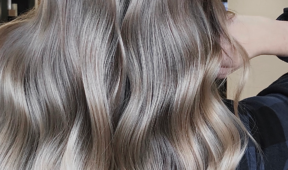
Hair Color Transition: From Black to Light Shades
Would you like to return to a lighter or more natural shade but are afraid of damaging your hair? Transitioning from black hair color is a complex process that should never be done at home. It’s best to trust professionals. At PIED-DE-POULE, we use only gentle lightening techniques that preserve the hair’s structure and deliver a natural, well-groomed result without yellowness or brittleness.
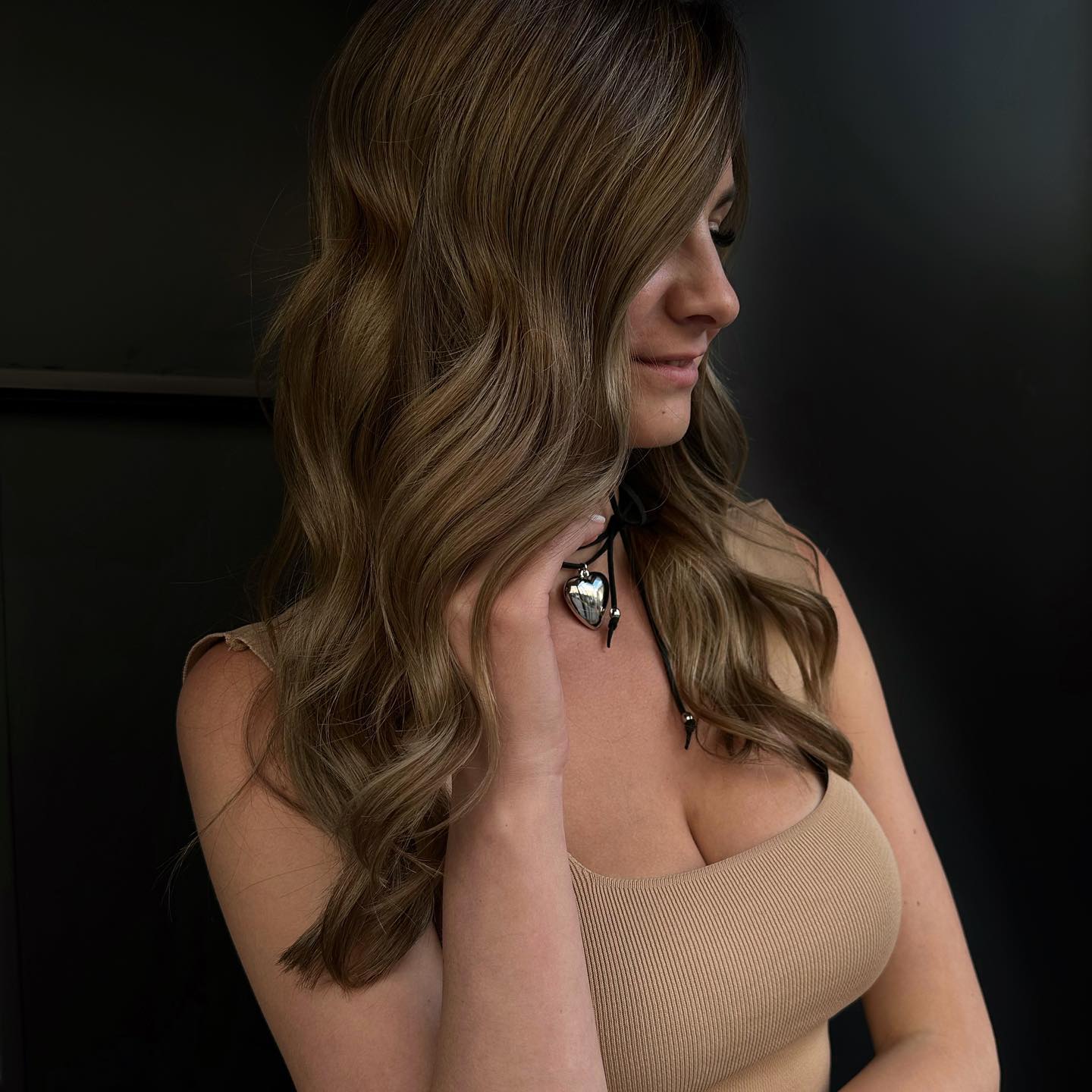
What Is the Transition from Black Hair Color
Transitioning from black means gradually lightening the hair followed by toning it to achieve the desired shade. The process is carried out in several stages using professional dyes and protective and restorative products. The main goal is to achieve an even, healthy color without harming the hair.
A safe alternative to at-home bleaching
Home experiments with black dye often result in overdried, patchy or uneven hair color. In our salon, we use step-by-step lightening techniques that minimize damage and allow full control over each tone level. Our colorists carefully monitor the hair’s reaction and apply protective complexes such as Olaplex, Lebel, and Brae, ensuring a safe, predictable, and beautiful outcome.
Why you shouldn’t lighten black hair on your own
Bleaching your hair with aggressive products at home can completely destroy its natural structure. Without professional experience, it’s nearly impossible to determine how the pigment will react or how long the lightener should be left on. The result is often dull, brittle, lifeless hair. That’s why the transition from black should be done by professionals who can choose the most delicate formula and technique for your hair type.
How the process works at PIED-DE-POULE
At PIED-DE-POULE, transitioning from black hair color is a step-by-step and comfortable process that always begins with a consultation. Our colorists assess the hair’s condition and create a personalized plan, selecting the most suitable technique and future shade.
Consultation and hair diagnosis
Before starting, the stylist analyzes your hair’s structure, elasticity, and previous coloring history. They determine which pigments need neutralization and which products will help maintain your hair’s health. Based on this, a personalized lightening plan is developed to achieve the desired result safely.
Gradual lightening and toning
Depending on the hair’s condition, the process usually requires 2 to 4 lightening stages with intermediate toning (since it’s possible to safely lighten the hair only by a few tones at a time). This gradual method removes the black pigment step by step, resulting in a clean, even shade without harsh transitions. To stabilize the color, stylists use professional, gentle dyes that lighten without drying.
Restoring and protecting the hair structure
During every lightening stage, protective systems such as Olaplex, Lebel, or Brae are used to restore internal hair bonds. This not only allows safe lightening but also improves the hair’s overall condition — leaving it shiny, elastic, and full of life even after several sessions.
How many sessions are needed to fully transition from black
The number of sessions depends on the hair type, density, previous color history, and the desired result. On average, it takes 2 to 5 procedures spaced a few weeks apart to protect the hair’s health. During the consultation, the stylist will determine the exact plan for achieving a natural, even tone without stress to the hair.
Hair care after the transition
To maintain shine and color after lightening, proper aftercare — both at home and in the salon — is essential.
Home care after lightening
Use sulfate-free shampoos, nourishing masks, and serums. Protect your hair from heat and UV rays, and apply moisturizing treatments regularly to keep it soft and healthy.
Salon care treatments (Olaplex, Lebel, Brae)
We recommend restorative salon treatments every 3–4 weeks, especially during very hot or cold seasons when environmental stress is strongest. Complexes like Olaplex, Lebel, and Brae deeply repair hair fibers, replenish proteins, and restore shine. This keeps your color vibrant and prevents it from fading.
Benefits of doing a black-to-blonde transition at PIED-DE-POULE
Safe lightening with professional products
We work exclusively with premium professional brands that allow us to lighten hair without damaging it, keeping it glossy and strong.
Personalized color and technique selection
Every client receives an individual approach: the stylist considers hair type, skin tone, and personal preferences to achieve a harmonious and natural-looking result.
Hair restoration during coloring
Throughout the process, we use protective systems to maintain the integrity of your hair. After the procedure, your strands remain healthy, soft, and smooth — not dry or brittle.
A professional transition from black at PIED-DE-POULE is a safe way to achieve a new shade that enhances your individuality. Book a consultation and let our experts create a smooth, beautiful transformation tailored to you.
Time to preen my feathers
Book an appointmentFAQ
-
On average, 2-5 sessions, depending on hair condition and the desired result.
-
Only partial lightening is possible in one session. A full transition requires several visits to avoid damage.
-
No, when using professional products and proper care, hair remains healthy and shiny.
-
We use Olaplex, Lebel and Brae to protect the hair’s structure during chemical processes.
-
Moisturize regularly, use sulfate-free shampoos, avoid excessive heat styling and protect your hair from the sun.
-
Not always, it depends on the hair’s condition. The stylist will determine the safest pace for lightening.
-
The color stays vibrant for 2-3 months, provided you follow all recommended aftercare routines.